How Cross-Platform Applications Expand Digital Reach Efficiently
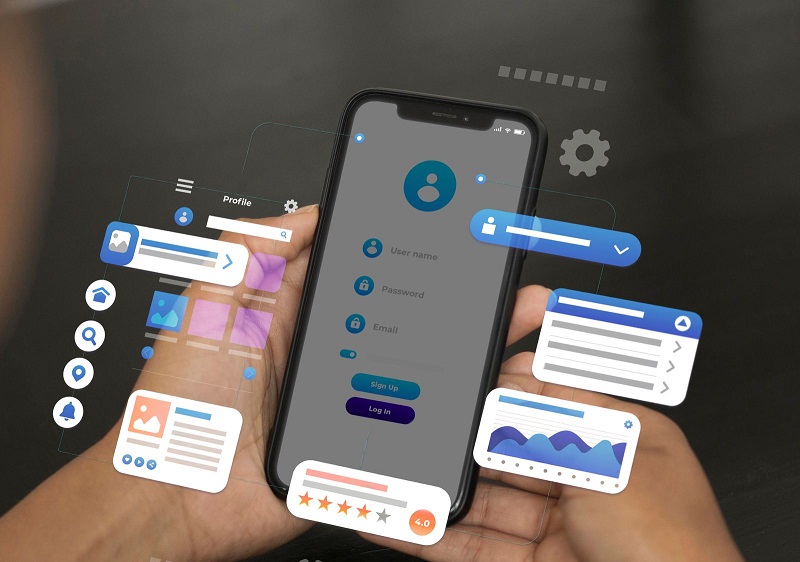
Modern digital consumer habits are fundamentally fragmented. A prospective customer might discover a brand on an office workstation, review an onboarding sequence on an Android tablet during an afternoon commute, and finalize an account upgrade from an iPhone later that evening. Meeting users across every corner of their digital routine used to demand an exhaustive, multi-team engineering commitment. For years, digital leaders faced a punishing trade-off: either build separate native applications for every operating system, draining capital and slowing release velocity, or pick a primary platform and leave substantial market share on the table.
Cross-platform development has fundamentally disrupted that compromise. What began as a scrappy workaround for budget-conscious startups has evolved into an enterprise-grade architectural strategy. By enabling teams to write core business logic once and deploy it across mobile, web, and desktop environments, modern cross-platform engineering has transformed from a cost-saving measure into a primary driver of scalable digital reach.
The Hidden Friction of Native-First Strategies
To understand why cross-platform architecture drives sustainable reach, one must examine the operational bottlenecks inherent to native-only development. Building dedicated applications for iOS and Android requires running two independent engineering teams, managing separate code repositories, and conducting duplicated quality assurance cycles. Every new feature, security patch, or workflow enhancement must be conceived, translated, and independently implemented across distinct programming languages.
This duplication creates organizational drag that directly harms commercial expansion. When an engineering department spends the majority of its bandwidth merely maintaining feature parity across two distinct codebases, strategic innovation stalls. Release cycles inevitably drift apart. An iOS update might launch on schedule, while the corresponding Android release lags by weeks due to unexpected platform quirks.
This operational drag fragments marketing initiatives, weakens promotional synergy, and creates an inconsistent experience for customers who engage with the brand across multiple devices. The operational cost of maintaining redundant infrastructure silently limits how far and how fast a company can scale.
Accelerating Go-to-Market Timelines and Parity
Digital audience growth relies on momentum. When a company identifies an emerging market opportunity or introduces a high-demand service, the speed of distribution dictates market share. Cross-platform applications allow product organizations to deploy unified features across operating systems simultaneously.
Instead of coordinating staggered launches that leave portions of a target demographic waiting, marketing teams can orchestrate comprehensive campaigns knowing every prospective customer will find a functional product ready to download. Simultaneous platform deployment maximizes the return on promotional spend, ensuring that digital ad dollars, influencer partnerships, and organic earned media capture conversions across every device architecture without friction.
Eliminating the Secondary Platform Penalty
In traditional development environments, one operating system invariably receives prioritized attention. In North American consumer markets, businesses historically favored iOS development, treating Android as a secondary priority. This created a persistent capability gap: Android users frequently suffered through delayed feature rollouts, outdated interface patterns, and slower bug resolution.
Cross-platform frameworks permanently dismantle this secondary platform penalty. Because the underlying business logic, state management, and user flows stem from a unified codebase, platform parity is built directly into the engineering pipeline. Brands no longer risk alienating millions of potential users through perceived neglect, unlocking broader adoption and stronger retention metrics across demographics that favor alternative operating systems.
Preserving Brand Cohesion Across Diverse Touchpoints
Customer trust is fragile, and user experience inconsistencies erode that trust quickly. If a customer encounters one visual hierarchy on their phone and a completely different interactive model on their tablet, cognitive friction increases. Discrepancies in checkout flows, navigation architecture, or account preferences make a digital product feel unpolished.
Cross-platform development enforces architectural and aesthetic discipline. By centralizing design tokens, component libraries, and interface logic into a single cohesive system, organizations deliver an identical brand language across all screens.
Buttons behave the same way, animations follow identical physics, and user journeys remain intuitive regardless of the hardware in play. A coherent user experience reduces onboarding churn and builds sustained brand equity, giving users the confidence to move fluidly between platforms without relearning basic interface behaviors.
Streamlining Maintenance and Amplifying Engineering Output
Digital reach is not merely about attracting users on day one; it depends on keeping those users engaged through continuous refinement, stability, and security. In a fragmented development ecosystem, ongoing maintenance consumes an unsustainable share of developer hours. A critical logic flaw or edge-case security issue must be diagnosed, fixed, and verified twice by separate specialists.
With cross-platform architecture, resolution timelines shrink dramatically. When engineers identify an issue in the shared codebase, a single fix resolves the problem across all client environments.
This operational efficiency yields substantial downstream advantages:
-
Quality assurance teams test a centralized logic structure, reducing duplicate regression testing and catching core bugs earlier in the sprint cycle.
-
Product analytics remain uniform, ensuring user behavior telemetry is gathered consistently across devices without platform-specific logging discrepancies.
-
Engineering capacity shifts from repetitive maintenance toward user-facing innovation, allowing teams to ship new value propositions that draw in fresh audiences.
By eliminating redundant maintenance cycles, organizations free their highest-value technical talent to focus on product differentiation rather than routine upkeep.
Strategic Considerations for Long-Term Scalability
While the reach advantages of cross-platform development are profound, successful execution requires clear architectural intent. Universal code reuse should not mean complete indifference to platform-specific user expectations.
The most effective cross-platform applications blend a unified logic engine with thoughtful adaptations for native navigation norms. Back buttons, system-level sharing panels, and biometric authentication workflows should still feel natural within the host operating system. Modern frameworks support this balance effortlessly, allowing developers to share eighty to ninety percent of their application code while retaining the flexibility to inject native UI components where sensory expectations demand it.
Digital reach is no longer defined by simply launching an app into an app store and hoping for discovery. It requires an active, persistent presence everywhere an audience lives, works, and transacts. By dismantling the organizational, financial, and technical silos of legacy mobile engineering, cross-platform applications provide companies with the agility needed to capture market share, maintain deep audience engagement, and scale digital footprints with sustained capital efficiency.