
Understanding Credit Card Interest Rates: What You Need To Know
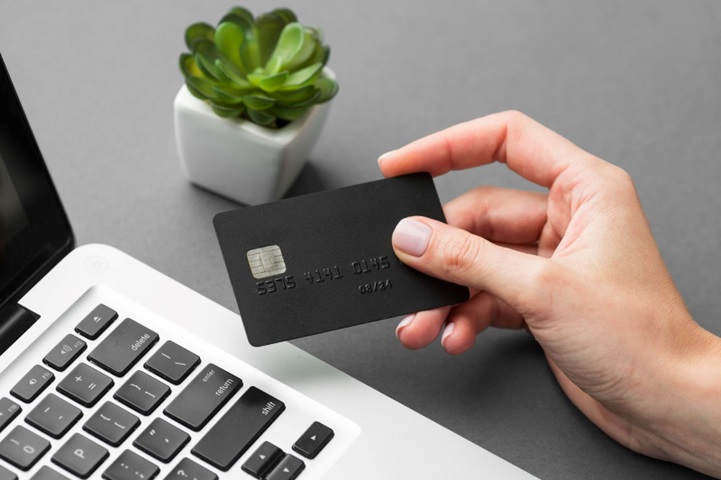
| Overview: Credit card interest rates impact how much you pay if you carry a balance. This blog explains how they work, types, calculation methods, and what you can do to manage them effectively. Knowing this can save you money and help avoid debt traps. |
How Credit Card Interest Affects Your Finances
In India, credit card debt is rising rapidly, with outstanding balances crossing ₹2.9 lakh crore in 2024, according to RBI reports. Despite the convenience of credit cards, many users struggle to understand credit card interest rates, leading to rising unpaid balances. Late fees, revolving credit, and compounding interest make cards expensive if misused.
Being aware of how interest is applied and how it can be avoided is essential to make smarter financial decisions. Many users also remain unaware that free credit card offers often carry hidden interest implications if terms aren’t followed properly.
What is a Credit Card Interest Rate?
A credit card interest rate, commonly known as APR (Annual Percentage Rate), is the rate at which interest is charged on unpaid credit card balances. Unlike traditional loans, where interest is charged monthly, credit card interest can compound daily, making it critical to understand how it works.
Types of Credit Card Interest Rates
Not all interest on your credit card is the same—different actions trigger different rates.
- Purchase Interest Rate: Charged on regular transactions after the interest-free period.
- Cash Advance Rate: Higher rate applied when withdrawing cash using a credit card.
- Penalty Interest Rate: Applied if you default or delay payments.
- Introductory Rate: Promotional lower rate for a limited time.
How is Interest Calculated on Credit Cards?
The interest you pay depends on the outstanding amount, the number of days it’s unpaid, and the type of transaction. In India, the typical APR ranges from 30% to 42% per annum.
Daily Interest Calculation Formula:
Daily Interest = (Outstanding Amount × Annual Rate) / 365
For instance, on a ₹20,000 outstanding balance at 36% APR:
Daily interest = ₹20,000 × (36/100) ÷ 365 = ₹19.73
If unpaid for 30 days, interest = ₹591.9
Free Credit Cards: What’s the Catch?
While many banks and financial institutions offer a free credit card, it’s important to read the fine print.
Things to Note:
- Free usually means no annual or joining fee.
- Interest is still charged on unpaid balances.
- Late payment penalties and GST apply as usual.
- Some cards are only “free” if you meet a minimum annual spend.
| What You Must Know: Even free credit cards incur interest if full payment isn’t made monthly. |
How Grace Periods and Billing Cycles Work
Most cards offer a grace period of 20–50 days, which is interest-free if the total due is paid by the due date. However, if you carry forward even ₹1, the interest applies on the entire new bill—not just the unpaid part.
Example Timeline:
| Transaction Date | Billing Date | Due Date | Payment Status | Interest |
| 5th June | 25th June | 15th July | Not Paid in Full | Interest on full balance from 5th June |
Impact of Credit Score on Interest Rates
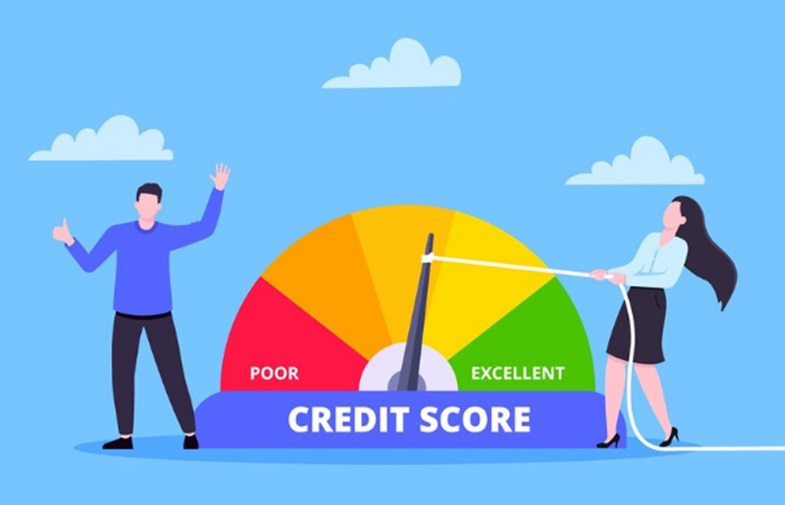
Your credit score influences the interest rate offered on your credit card. A score above 750 is usually considered favourable.
Benefits of a Good Score:
- Lower interest rates
- Higher credit limits
- Easier approval for free credit card offers
CTA: Check eligibility for a credit card with Airtel Finance now
How to Minimise or Avoid Paying Interest
Avoiding interest charges isn’t difficult—just a few smart habits can save you thousands annually.
- Pay in Full: Always pay the total outstanding, not just the minimum.
- Avoid Cash Withdrawals: These attract immediate interest and no grace period.
- Use EMI Conversions: Convert large spends into EMIs at lower rates.
- Track Due Dates: Set reminders or enable auto-pay.
- Use Interest-Free Periods Smartly: Plan expenses at the start of your cycle.
| Mistakes to Avoid: Paying only the minimum amount leads to compounding debt quickly. |
Table: Comparing Interest Components by Card Type
Choosing the right credit card depends on your spending style—this comparison highlights key interest-related features.
| Feature | Standard Card | Free Credit Card | Rewards Card | Premium Card |
| Annual Fee | ₹500–₹2,500 | ₹0 | ₹1,000+ | ₹3,000+ |
| Interest Rate (APR) | 30%–42% | 30%–36% | 30%–40% | 24%–36% |
| Grace Period | 20–50 days | 20–45 days | 20–50 days | 45–50 days |
| Cashback/Rewards | Limited | Moderate | High | High |
| Lounge Access | No | Sometimes | Yes | Yes |
The Role of Minimum Due and Revolving Credit
Paying only the minimum due keeps the card active but incurs full interest. Revolving credit might seem helpful but builds long-term debt.
Example:
| Payment Type | Amount Due | Paid | Interest Incurred |
| Total Due | ₹15,000 | ₹1,500 | Full interest applies |
| Minimum Due | ₹1,500 | ₹1,500 | Interest applies |
| Full Payment | ₹15,000 | ₹15,000 | No interest |
| Important to Know: Making only minimum payments can take years to clear your balance. |
Interest-Free EMIs Vs Credit Card Interest
Many platforms offer interest-free EMIs. However, some “zero interest” plans include costs in the price of the product. It’s not truly interest-free unless verified.
Quick Comparison:
| Option | EMI Available | Hidden Charges | Interest Rate |
| Credit Card EMI | Yes | Sometimes | 13%–18% p.a. |
| Airtel Insta EMI Card | Yes | No | Often 0% |
| Facts to Know: Cash withdrawals on credit cards attract interest from day one. |
Wrapping Up: Make Interest Work for You
Mastering how credit card interest works is crucial to keeping your debt under control. Always pay in full, avoid unnecessary charges, and stay informed. Smart usage can turn credit cards into powerful tools for financial growth. Start your credit journey with Airtel Finance today
FAQs
- How can I avoid paying credit card interest?
Pay the full outstanding balance before the due date monthly.
- Does the interest-free period apply to all transactions?
No, it doesn’t apply to cash withdrawals or unpaid previous bills.
- What happens if I only pay the minimum due?
You incur full interest and extend your debt repayment duration significantly.
- Are free credit cards completely free?
They waive fees but still charge interest on unpaid or overdue balances.
- Is the interest rate the same for all transactions?
No, different rates apply for purchases, cash advances, and defaults.